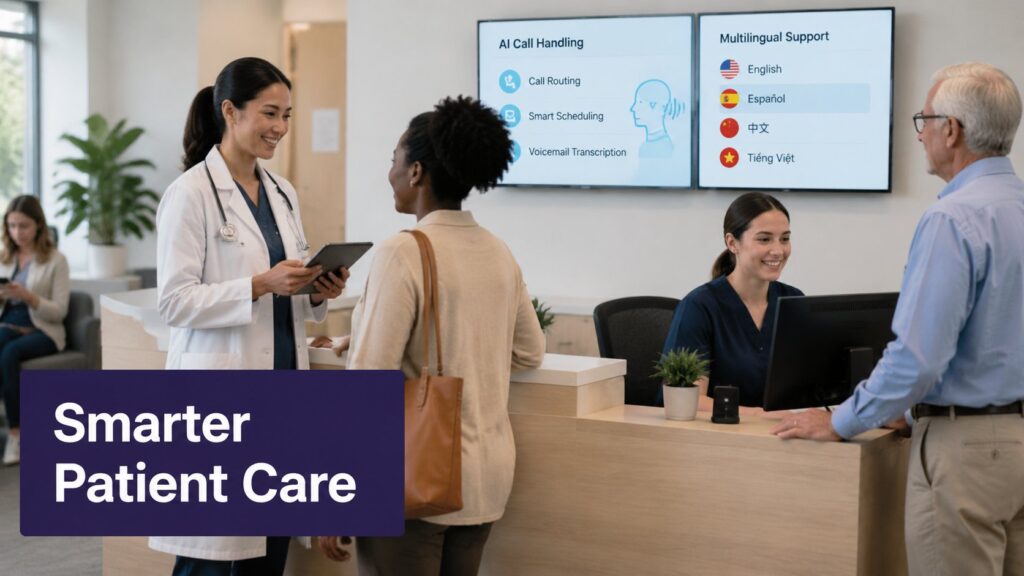
Missed calls cost medical practices more than a scheduling slot. They create friction for patients, overwhelm front-desk teams, and leave after-hours needs unresolved until the next business day. For practice managers, clinic administrators, and physicians, the communication gap affects patient access, staff workload, retention, and revenue. That is why the modern medical answering service has […]
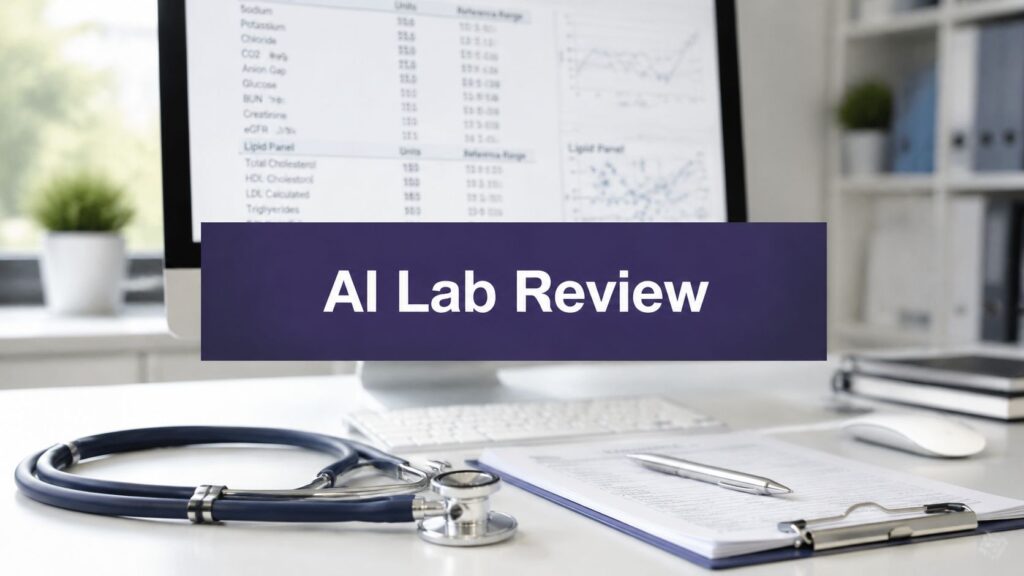
If you're running an independent dermatology, gastroenterology, or internal medicine practice, the lab inbox probably feels less like a clinical tool and more like a second job. Results keep landing in eClinicalWorks, Athenahealth, gGastro, EMA ModMed, Epic, or DrChrono. Someone has to sort them, decide what needs physician review, document the next step, and make […]
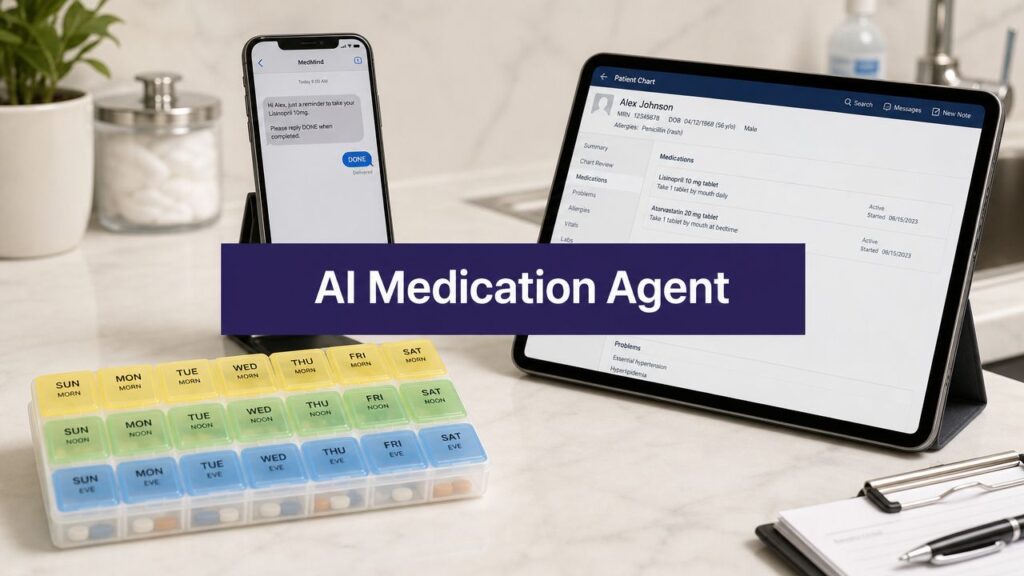
Missed doses rarely stay contained to the medication list. In a small practice, they turn into callback tasks, chart updates, caregiver outreach, refill confusion, and another interruption for the person already covering the phones. That is why an AI medication reminder agent matters to independent dermatology, gastroenterology, and internal medicine groups. Used well, it helps […]
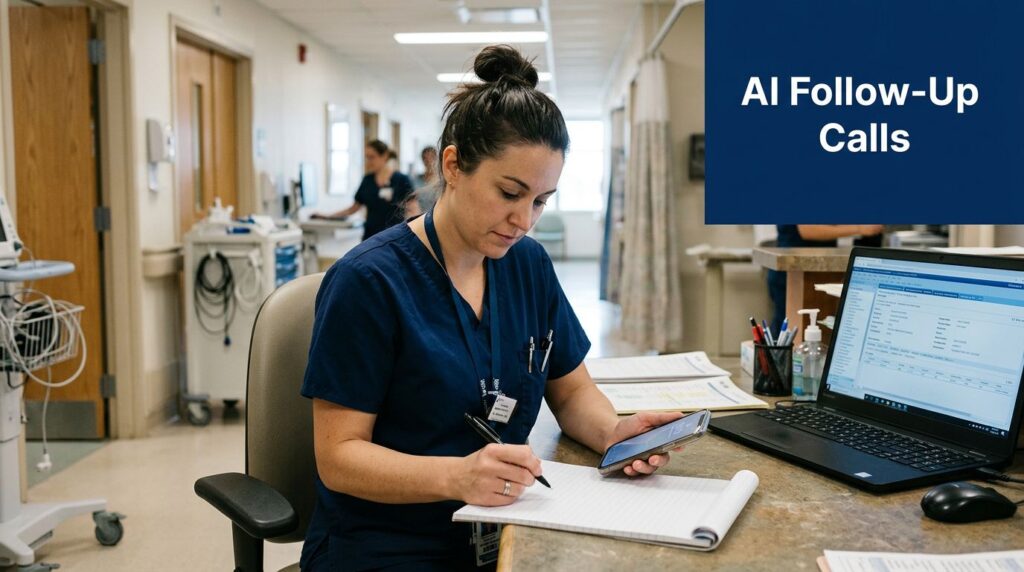
Discharge day rarely ends when the schedule says it should. In a small or midsize practice, someone still has to call patients, confirm they understood instructions, ask about symptoms, check whether medications were filled, and decide what needs a nurse now versus tomorrow. AI post-discharge follow up calls matter because this work is clinically important, […]
Pre-op call automation usually becomes urgent at the worst possible moment. A nurse is trying to room patients, the front desk is backing up, and someone still has a stack of pre-op calls to finish before the end of the day. A few patients answer. Several go to voicemail. One needs medication clarification. Another says […]
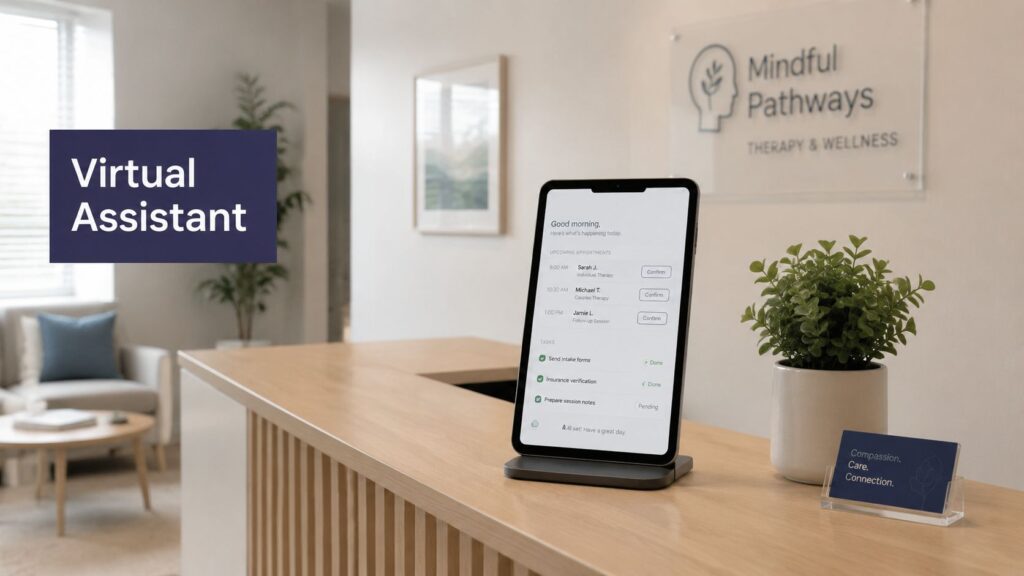
Most mental health practices don't have an access problem first. They have a workflow problem that patients feel as an access problem. A new patient calls during lunch and reaches voicemail. A therapist finishes a hard session and sees three refill messages, two scheduling changes, an intake form that never made it into the chart, […]
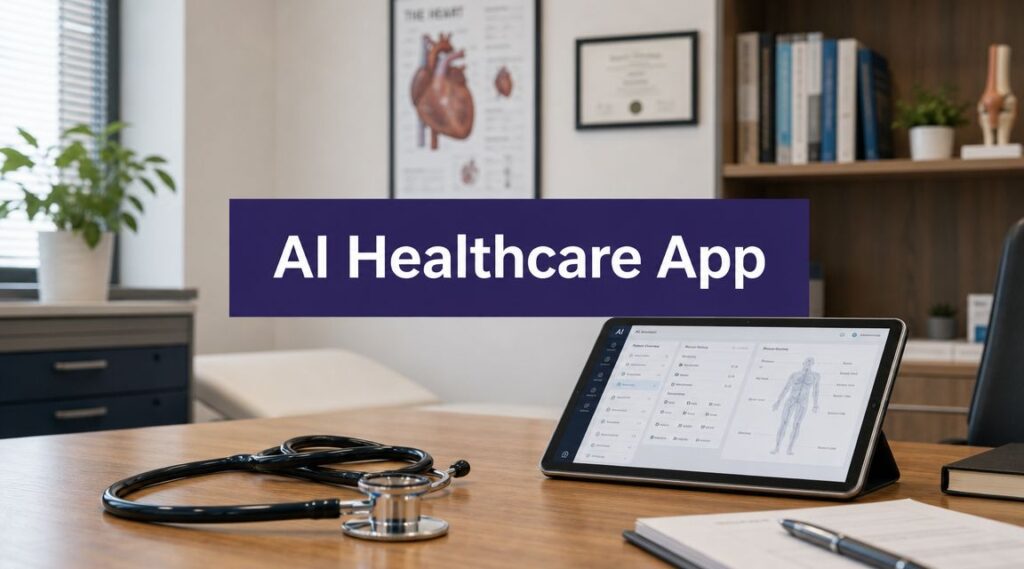
Often, teams start AI healthcare app development in the wrong place. They start with the model, the demo, or the investor story, when the core issue is usually much smaller and much messier: staff are buried in intake calls, nurses are re-entering the same data twice, or physicians don't trust another screen that interrupts the […]
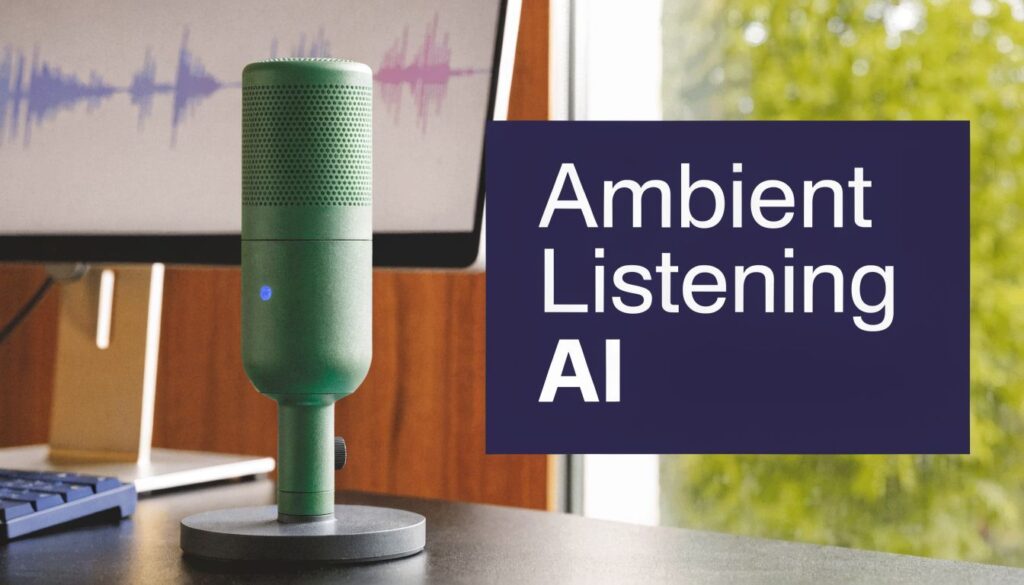
Most clinics don't need another promise about “less admin.” They need the last two hours of the day back. I've seen the same pattern across outpatient groups, specialty clinics, and larger systems. The schedule runs full, the visits go fine, and then the actual second shift starts. Notes pile up. The physician stays late or […]
Most practices don't have a data problem. They have a reporting problem. I've sat with front-desk logs, EMR exports, billing reports, and call notes spread across too many tabs, trying to explain a simple question: if the schedule looks full, why does cash still feel tight and staff still feel buried? That's the daily reality […]
Care coordination usually breaks down in boring places. A refill request sits in a voicemail box. A referral note lands as a faxed PDF. A follow-up reminder lives in someone’s memory instead of the chart. Staff work hard, but the system still leaks small failures all day. I’ve seen practices blame themselves for problems that […]
See how Simbie AI can reduce costs, streamline workflows, and improve patient care-all while giving your staff the support they need.