
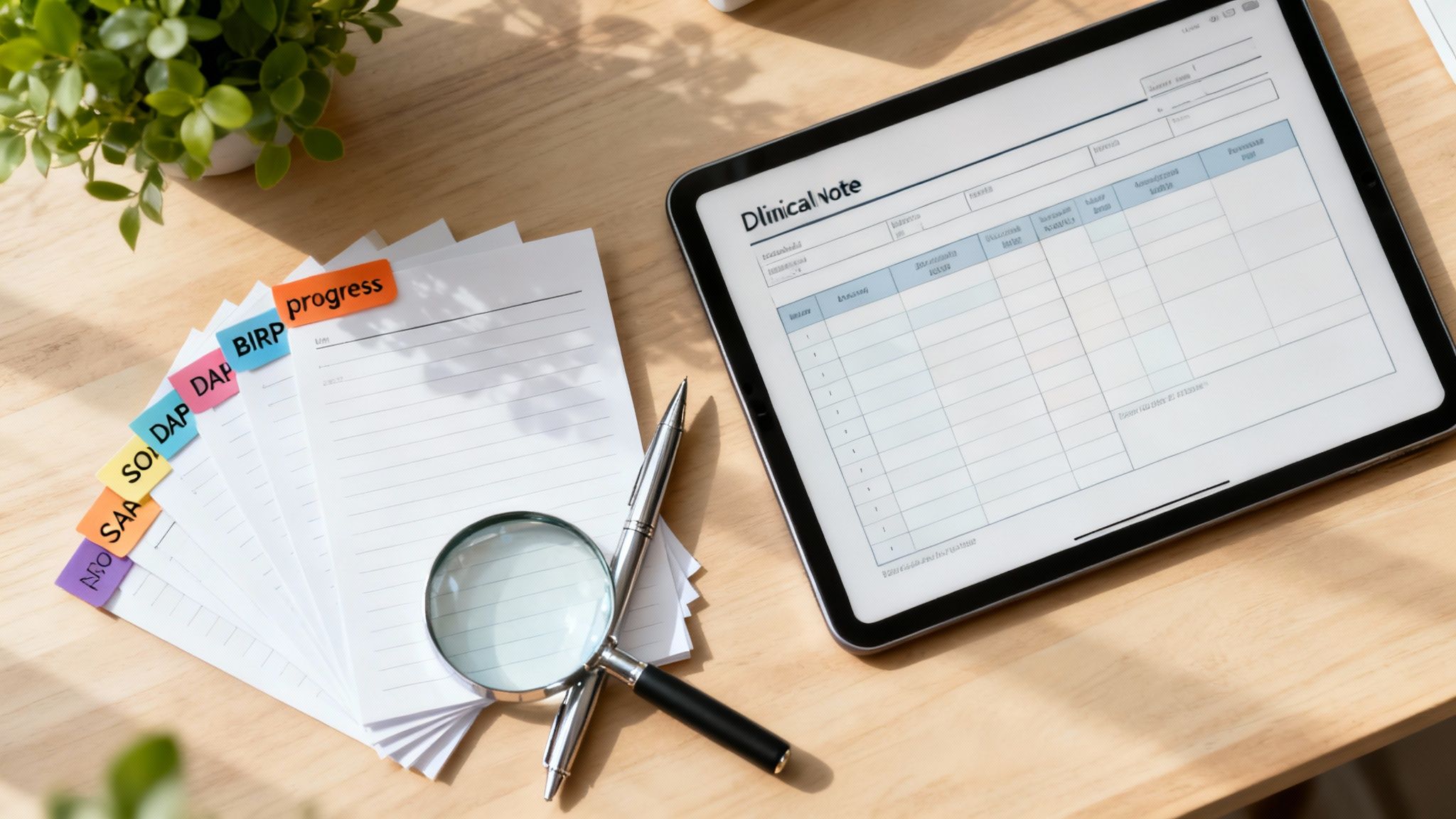
Welcome, healthcare professionals! In the fast-paced world of modern medicine, clear, concise, and compliant clinical documentation is more than just a task. It's the backbone of excellent patient care, seamless team communication, and robust legal protection. Yet, mastering the art of the perfect clinical note can feel like a constant challenge amid packed schedules and complex patient cases.
This guide is designed to change that. We've curated a comprehensive list of essential sample clinical notes, spanning multiple specialties and formats. You'll find everything from the universally recognized SOAP note to highly specialized surgical and pathology reports, giving you a complete toolkit for various clinical scenarios. To truly master flawless notes, a fundamental skill is the ability to distill information effectively. Learn proven techniques for summarizing in reading to enhance your documentation clarity.
Our goal is to provide more than just templates. Each example is broken down with a deep strategic analysis, offering actionable takeaways you can implement today to enhance your documentation skills. This approach helps you save time and ensure every note you write is a pillar of clarity and precision. Whether you are a physician, administrator, or clinical support staff, this resource will help you transform your note-taking process from a chore into a clinical strength. Let’s dive in and explore the examples that will elevate your documentation standards.
1. SOAP Note (Subjective, Objective, Assessment, Plan)
The SOAP note is one of the most widely used methods for organizing clinical documentation. Developed by Dr. Lawrence Weed in the 1960s as part of the Problem-Oriented Medical Record (POMR), this format structures information logically, allowing for clear communication among healthcare providers. It breaks down a patient encounter into four distinct sections, creating a narrative that is easy to follow and review, ensuring that patient care is systematic and well-documented. This framework is a cornerstone of medical education and clinical practice globally, valued for its ability to promote critical thinking and structured problem-solving. It's a versatile tool applicable across nearly every medical specialty, from primary care to surgery.

The structure guides the clinician’s thinking from the patient's story to the final treatment plan, making it an indispensable tool in both training and daily practice. This systematic approach ensures all critical components of a patient visit are documented, which supports diagnostic accuracy and continuity of care. By separating subjective patient reports from objective clinical findings, it minimizes cognitive biases and encourages evidence-based assessments. This clarity is crucial in multidisciplinary care settings where various providers rely on shared documentation to coordinate patient management effectively.
How a SOAP Note Works
The SOAP format provides a clear framework for documenting patient information. Each letter represents a specific category of data collected during the clinical encounter, creating a logical flow that mirrors the clinical reasoning process.
- S – Subjective: This section captures the patient's personal account of their condition. It includes the chief complaint (the main reason for the visit), history of present illness (HPI) using frameworks like OLD CARTS (Onset, Location, Duration, Character, Aggravating/Alleviating factors, Radiation, Timing, Severity), past medical history (PMH), surgical history, social history, family history, and a thorough review of systems (ROS). It's crucial to use the patient's own words where possible to preserve the authenticity and context of their experience.
- O – Objective: Here, you document measurable, observable, and quantifiable data. This includes vital signs (temperature, blood pressure, heart rate, respiratory rate, oxygen saturation), physical exam findings organized by body system, laboratory results, and imaging reports. This section should be factual, precise, and free of interpretation or personal judgment. For example, instead of "lungs sound bad," one would write "wheezing noted in bilateral lower lung fields."
- A – Assessment: This is your clinical analysis and diagnosis. It synthesizes the subjective and objective information into a professional conclusion. You should list diagnoses or problems in order of priority. For each problem, include a brief summary of the supporting evidence from the S and O sections. If a definitive diagnosis isn't possible, list a differential diagnosis, explaining your reasoning for each potential condition. This section demonstrates your medical decision-making process.
- P – Plan: This final section outlines the strategy for managing the patient's condition. It should be broken down for each diagnosis or problem identified in the Assessment. The plan includes orders for medications (with dosage, route, and frequency), further diagnostic tests (labs, imaging), therapeutic procedures, patient education, referrals to specialists, and specific follow-up instructions. Each part of the plan should be specific, measurable, achievable, relevant, and time-bound (SMART). For more detailed guidance, you can explore this comprehensive progress note template.
Actionable Takeaways for Effective SOAP Notes
To create high-quality sample clinical notes using the SOAP format, focus on clarity and precision. Ensure your assessment logically follows from the subjective and objective data; there should be a clear thread connecting the patient's story and your findings to your diagnosis. Avoid copying and pasting from previous notes without a thorough review, as this "note bloat" can perpetuate outdated or inaccurate information and is a common source of medical error. Finally, make the plan as clear as possible so any member of the care team can understand and execute the next steps without confusion. Each problem in the assessment should have a corresponding plan.
2. Radiology Reports
Radiology reports are specialized clinical documents that detail the findings and interpretation of medical imaging studies, such as X-rays, CT scans, MRIs, and ultrasounds. These reports serve as a critical communication tool between the radiologist and the referring clinician, directly influencing patient diagnosis and treatment. They are structured to present complex visual information in a clear, concise, and standardized text format, ensuring that the insights gained from imaging are accurately conveyed and clinically actionable. This documentation is a permanent part of the patient's medical record and holds significant medicolegal weight.
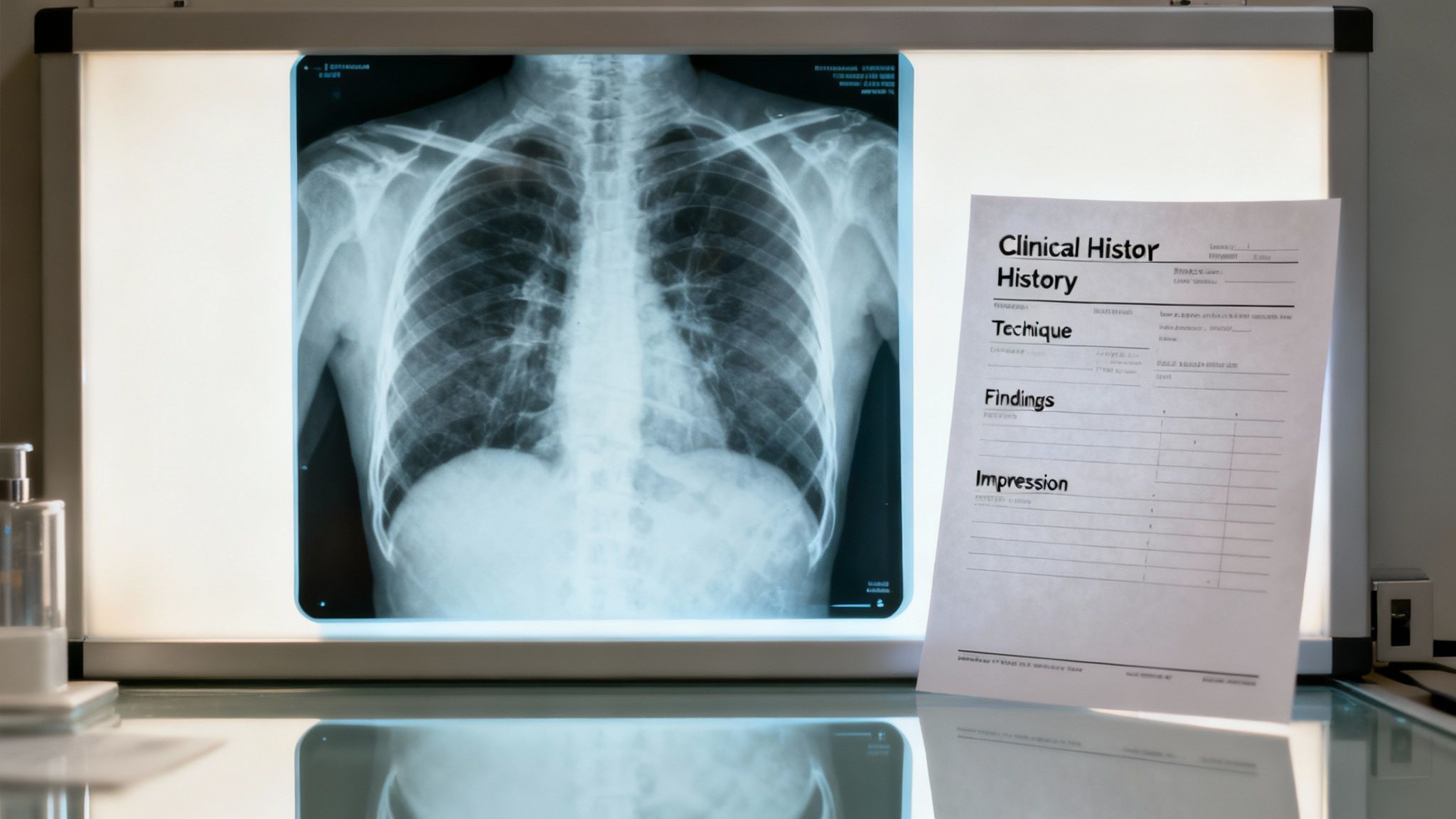
The primary goal of a radiology report is to answer the clinical question posed by the referring provider. This requires a systematic evaluation of the images and a summary that synthesizes the findings into a coherent diagnostic impression. The use of standardized lexicons and reporting systems, championed by organizations like the American College of Radiology (ACR), ensures consistency and reduces ambiguity. For instance, BI-RADS (Breast Imaging Reporting and Data System) provides a universal language for mammography results, which improves patient care and facilitates data collection for research and quality assurance.
How a Radiology Report Works
A radiology report follows a structured format that methodically presents information, moving from clinical context to diagnostic conclusion. Each section has a distinct purpose, guiding the reader through the radiologist's analysis and ensuring all relevant details are captured systematically.
- Clinical History/Indication: This section provides crucial context for the imaging study. It states the reason for the exam, such as "shortness of breath" or "right lower quadrant abdominal pain, rule out appendicitis." This information helps focus the radiologist's interpretation, allowing them to look for specific pathologies relevant to the patient's symptoms. A detailed clinical history is essential for an accurate and relevant report.
- Technique: This part details how the imaging study was performed. It includes the modality used (e.g., CT abdomen/pelvis with and without IV contrast), specific sequences or views obtained, and other relevant technical parameters like slice thickness or contrast dosage. This information is important for reproducibility and for understanding any limitations of the study.
- Comparison: If prior imaging studies are available, this section notes them. Comparing with previous scans is vital for assessing disease progression, stability, or response to treatment. For example, noting that a lung nodule has grown since a previous CT scan is a critical finding.
- Findings: This is a detailed, objective description of the radiologist's observations. It systematically describes both normal and abnormal structures, providing specific details on the location, size, density, shape, and other characteristics of any abnormalities. The description is typically organized by organ or anatomical region to ensure a comprehensive evaluation.
- Impression: This is the radiologist's final analysis and conclusion. It synthesizes the key findings to provide a diagnosis or a prioritized differential diagnosis, directly addressing the clinical question. It is the most critical part of the report for the referring clinician and should be concise and definitive. Any critical or unexpected findings should be clearly highlighted.
Actionable Takeaways for Effective Radiology Reports
To produce high-quality sample clinical notes for imaging, clarity and precision are paramount. Always correlate findings with the provided clinical history to ensure the report is clinically relevant. Using standardized lexicons, such as BI-RADS for mammography or LI-RADS for liver imaging, enhances clarity and consistency across practices. The impression should be a concise, bullet-pointed summary of the most important findings and your conclusion. For a deeper dive into various documentation types, you can explore these different medical report formats. Finally, provide clear, actionable recommendations for next steps, such as "recommend clinical correlation," "suggest follow-up imaging in 6 months," or "consider biopsy for definitive diagnosis," to guide patient management effectively.
3. Operative/Surgical Notes
An operative note is a detailed record of a surgical procedure, documenting every critical aspect from the pre-operative diagnosis to the patient's condition upon leaving the operating room. This formal report is a medicolegal requirement and is vital for continuity of care, quality assurance, billing, and communication between the surgical team and other healthcare providers. Standardized by bodies like the American College of Surgeons and The Joint Commission, its structure ensures that all essential information is captured consistently and accurately, forming a permanent account of the surgical event.
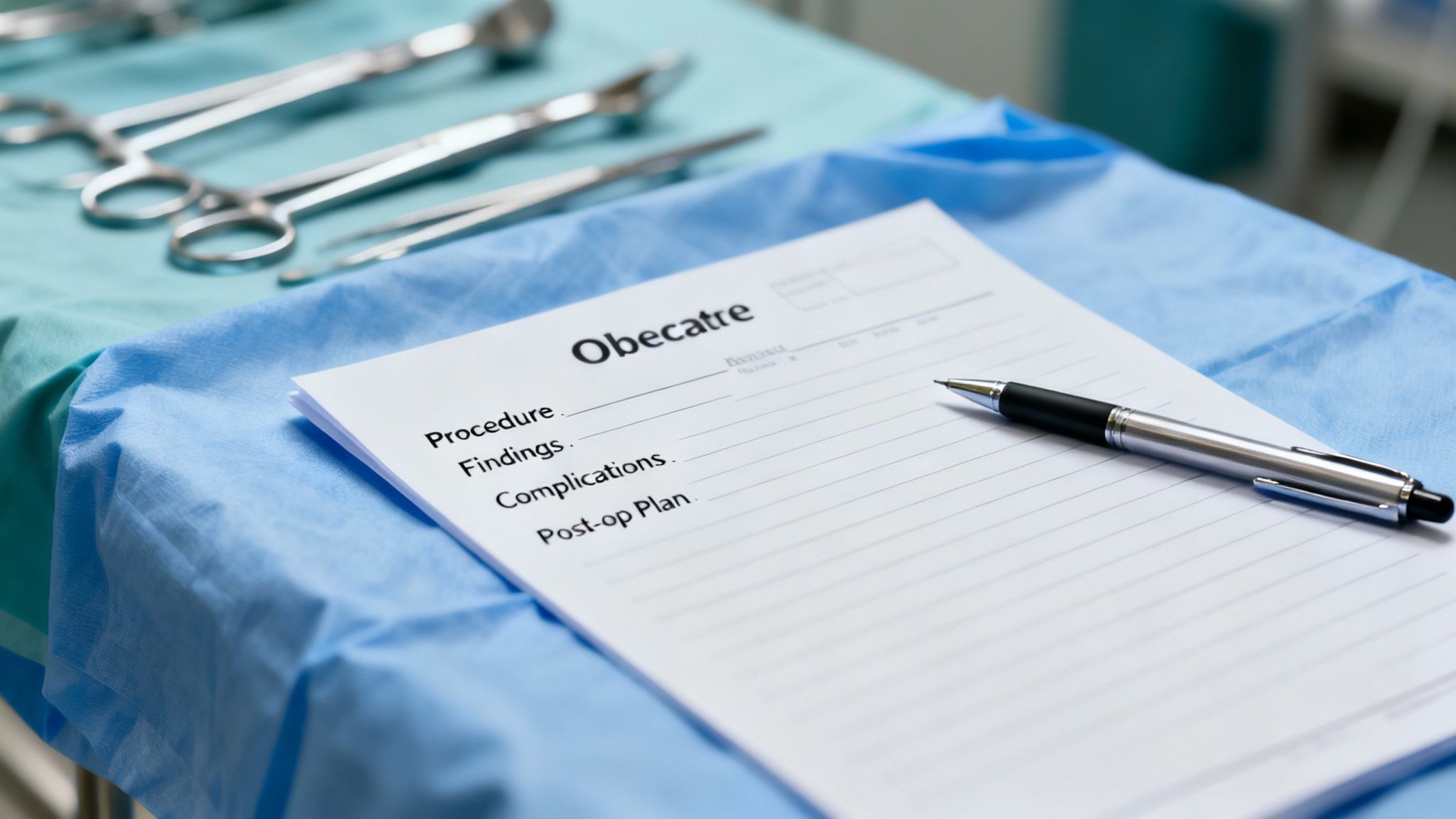
The primary purpose of an operative note is to provide a clear, chronological account of the surgery. This document allows another surgeon or clinician to understand exactly what was done, why it was done, and any challenges encountered. This is crucial for managing post-operative care, addressing potential complications, or planning future procedures. A well-written surgical note is a cornerstone of safe and effective patient management, reflecting the surgeon's professionalism and attention to detail.
How an Operative Note Works
The operative note follows a standardized format to ensure no critical details are missed. While templates may vary slightly between institutions, they generally include the following key components to create a comprehensive record of the procedure:
- Pre-Operative and Post-Operative Diagnosis: Clearly state the condition that prompted the surgery and the final diagnosis after the procedure has been completed. It is important to note any discrepancies between the two, as this can have implications for future care.
- Procedure Performed: Clearly and precisely name the surgical procedure or procedures that were completed, using standardized medical terminology (e.g., "Laparoscopic Cholecystectomy" instead of "gallbladder removal").
- Surgeons and Assistants: List all medical personnel directly involved in the operation, including the primary surgeon, co-surgeons, assistants (residents, fellows, physician assistants), and the anesthesiologist.
- Anesthesia Type: Specify the type of anesthesia administered, such as general, regional (spinal, epidural), or local with sedation.
- Operative Findings: This section provides a detailed narrative of the surgical exploration. Describe the anatomy, pathology, and any unexpected findings encountered during the operation. For example, "Adhesions were found between the gallbladder and the duodenum, which were carefully lysed."
- Procedure in Detail: Describe the surgical technique step-by-step in a chronological narrative. This should be detailed enough for another surgeon to reconstruct the key events of the operation. Include details about the patient's positioning, the incision made, instruments used, methods of hemostasis, and the closure technique.
- Specimens: Document any tissues or fluids removed and sent to pathology for analysis.
- Complications and Adjuncts: Document any intraoperative complications (e.g., unexpected bleeding, injury to adjacent structures) and the steps taken to manage them. Also, include details like estimated blood loss (EBL), total fluid replacement, drains or tubes placed, and sponge/needle counts at the end of the case.
- Disposition: State the patient's condition upon leaving the operating room and their destination (e.g., "to Post-Anesthesia Care Unit (PACU) in stable condition").
Actionable Takeaways for Effective Operative Notes
To create high-quality sample clinical notes for surgical procedures, prioritize accuracy and timeliness. Complete the note immediately after the procedure, or at least within 24 hours, while the details are still fresh in your mind. Use precise anatomical and medical terminology, and avoid ambiguity or jargon. Dictation software can improve efficiency, but always review the transcribed text for errors before signing. Ensure the final document clearly communicates the surgical narrative, operative findings, and immediate post-operative plan to support seamless patient care and handoffs.
4. Psychiatric/Mental Health Progress Notes
Psychiatric progress notes are specialized documents used to record mental health assessments, interventions, and patient outcomes. These notes often adapt standard formats like SOAP or DAP (Data, Assessment, Plan) to better capture the nuances of mental health care. They focus heavily on the mental status examination (MSE), psychiatric symptoms, psychosocial stressors, risk assessment, and therapeutic progress. They serve as a crucial tool for communication among mental health professionals, for tracking a patient’s journey over time, and for justifying the medical necessity of treatment to insurers.

This documentation must carefully balance the need for clinical detail with patient privacy, given the sensitive nature of mental health information under regulations like HIPAA. Effective notes are objective, non-judgmental, and behaviorally descriptive. They provide a clear rationale for diagnoses and treatment decisions while respecting the patient's dignity and subjective experiences. These notes are not just administrative records; they are a key part of the therapeutic process itself, helping clinicians reflect on session dynamics and plan future interventions.
How Psychiatric/Mental Health Progress Notes Work
These notes provide a structured narrative of a patient's mental state and treatment response. While the format can vary, they consistently include key components essential for comprehensive psychiatric care and medicolegal protection.
- Mental Status Exam (MSE): This is a core component, detailing objective observations of the patient's appearance, behavior, mood (what the patient reports), affect (what the clinician observes), speech patterns, thought process (e.g., logical, tangential), thought content (e.g., presence of delusions, obsessions), perception (e.g., hallucinations), and cognitive function (e.g., orientation, memory, insight, judgment). It is the psychiatric equivalent of a physical exam.
- Symptom Tracking: This section documents changes in specific psychiatric symptoms, often using standardized rating scales (e.g., PHQ-9 for depression, GAD-7 for anxiety). It tracks the severity, frequency, and duration of symptoms to measure treatment effectiveness and guide adjustments to the care plan.
- Risk Assessment: A critical and mandatory element is the documentation of suicide and homicide risk. This includes assessing for ideation, intent, plans, and access to means. It's equally important to identify and document protective factors, such as family support or reasons for living. A clear statement of the assessed risk level (e.g., "low," "moderate," "high") and the rationale is essential.
- Treatment & Interventions: This part details medication management, including any dose adjustments, rationale for changes, patient-reported side effects, and adherence. It also describes specific psychotherapeutic techniques used during the session, such as cognitive-behavioral therapy (CBT) exercises (e.g., "identified and challenged cognitive distortions related to self-worth") or motivational interviewing to address ambivalence about change.
- Plan: The plan section outlines the next steps, including the frequency of future appointments, medication plans, therapeutic goals to work on, and coordination of care with other providers.
Actionable Takeaways for Effective Psychiatric Notes
To create high-quality sample clinical notes in mental health, prioritize objectivity and precision. Use descriptive, non-stigmatizing language, especially when documenting the mental status exam. Quote the patient directly when it provides valuable insight into their thought process. Always document a thorough risk assessment in every encounter, even if the risk is low, as this is a key medico-legal requirement. When describing therapeutic interventions, be specific about the techniques applied and the patient's response to them. This level of detail not only justifies the clinical plan but also supports continuity of care if another provider needs to step in.
5. Emergency Department (ED) Notes
Emergency Department (ED) notes are designed for the high-stakes, fast-paced environment of emergency medicine. Unlike notes from other clinical settings, these documents prioritize speed, precision, and clarity to support rapid decision-making for acute, often undifferentiated, conditions. They must be concise yet comprehensive enough to capture a full patient encounter, from triage to final disposition, while also serving as a robust medicolegal record of the care provided.
The structure of an ED note is optimized to communicate critical information efficiently among the entire emergency care team, including nurses, specialists, and consultants. This format ensures that any provider can quickly grasp the patient's status, the diagnostic workup, and the treatment plan. This is vital for safe handoffs during shift changes and for ensuring continuity of care in a chaotic, high-turnover setting where patient safety depends on clear and immediate communication.
How an ED Note Works
An ED note follows a logical flow that reflects the patient's journey through the emergency department. While various templates exist within electronic health records (EHRs), they generally contain core components that document the acute encounter systematically.
- Chief Complaint & HPI: This section starts with the primary reason for the visit (e.g., "chest pain"). The History of Present Illness (HPI) is focused and targeted, zeroing in on pertinent positives and negatives related to the chief complaint to quickly build a differential diagnosis. For example, for chest pain, the HPI would document quality, radiation, timing, and associated symptoms like shortness of breath or diaphoresis, while noting the absence of pleuritic or positional components.
- Triage Data & Vitals: This includes the initial assessment by the triage nurse, mode of arrival (e.g., ambulance, walk-in), acuity level, and initial vital signs. Vital signs are often documented multiple times throughout the visit to show trends, which can be critical for assessing clinical stability or response to treatment.
- Physical Examination: The exam is typically focused on the relevant systems to save time. For example, a patient with chest pain will have a detailed cardiovascular and pulmonary exam, while a trauma patient will have a head-to-toe assessment following the ATLS (Advanced Trauma Life Support) protocol.
- Diagnostics & Results: This area lists all labs, imaging (e.g., EKG, X-ray, CT), and other diagnostic tests ordered, along with their results as they become available. It often includes the clinician's real-time interpretation of these results (e.g., "EKG shows normal sinus rhythm, no acute ST changes").
- Medical Decision Making (MDM) & Course: This is a crucial section that outlines the clinician's thought process. It summarizes the case, lists the differential diagnosis, and explains why certain conditions are being considered or ruled out based on the HPI, exam, and diagnostic data. It also documents consultations and treatments provided in the ED.
- Assessment & Plan/Disposition: The assessment provides a primary diagnosis or impression (e.g., "Atypical chest pain, likely musculoskeletal"). The plan outlines the final course of action, which culminates in a disposition: admission to the hospital (specifying the service, e.g., "admit to cardiology"), discharge home, or transfer to another facility. This section must clearly state the reasoning for the decision.
Actionable Takeaways for Effective ED Notes
To create high-quality sample clinical notes in the ED, efficiency is key. Use templated phrases and macros within your EMR for common presentations like chest pain or abdominal pain, but always customize them to the specific patient to avoid cloning errors. Clearly document your medical decision-making (MDM), including any risk stratification scores used, such as the HEART score for chest pain or the Wells' Criteria for PE. This demonstrates a thoughtful workup. Finally, ensure the disposition instructions for discharged patients are crystal clear, detailing specific follow-up plans, strict return precautions ("return immediately for worsening pain, shortness of breath," etc.), and any prescriptions provided.
6. Pathology Reports
A pathology report is a highly specialized medical document that details the laboratory findings of a tissue (biopsy) or fluid specimen. Prepared by a pathologist, a physician specializing in disease diagnosis through laboratory analysis, these reports are foundational for diagnosing diseases, particularly cancer, and guiding subsequent treatment decisions. They translate macroscopic (gross) and microscopic observations into a definitive diagnosis using standardized terminology and criteria established by organizations like the College of American Pathologists (CAP).
The structure of a pathology report is designed for precision and clarity, providing clinicians with the critical data needed for staging diseases, assessing prognosis, and planning patient care. This systematic documentation ensures that complex diagnostic information is communicated effectively among the entire care team, from surgeons to oncologists and radiation therapists. The final diagnosis in a pathology report is often considered the "gold standard" and is the basis for many life-altering treatment plans.
How a Pathology Report Works
A pathology report follows a structured format to present a comprehensive analysis of a specimen, moving from general description to specific diagnostic conclusions. Each section serves a distinct purpose in building the diagnostic narrative.
- Specimen Description: This section identifies the tissue or fluid sample, including the patient's identifiers, the source of the specimen (e.g., "right breast, core biopsy"), how it was obtained, and its condition upon arrival (e.g., fresh, in formalin). Accurate labeling and patient identification are paramount to prevent errors.
- Gross Findings: The pathologist or a pathologist's assistant documents what is visible to the naked eye before processing. This includes the specimen's size, weight, color, and texture, along with any visible abnormalities or lesions. For larger resection specimens, this section also describes how the tissue was sectioned for microscopic analysis.
- Microscopic Examination: This is the core of the report, describing the cellular-level findings observed under a microscope after the tissue has been processed and stained. It details cell types, architectural patterns, the presence of any abnormal cells (e.g., malignant, dysplastic), and other features like inflammation or necrosis. The description is highly technical and specific.
- Ancillary Studies & Final Diagnosis: This section includes results from special tests like immunohistochemistry (IHC) to identify specific proteins on cells, or molecular testing (e.g., genetic sequencing) to find mutations that can be targeted with specific drugs. The final diagnosis synthesizes all findings into a definitive conclusion, such as "Infiltrating ductal carcinoma, Grade 2, Estrogen Receptor positive," which provides far more information than just a cancer diagnosis. For cancer reports, it will also include staging information like tumor size, lymph node status, and margin status (whether the cancer was fully removed).
Actionable Takeaways for Effective Pathology Reports
To ensure these sample clinical notes are accurate and useful, meticulous detail is crucial. Clinicians ordering tests must provide a complete clinical history on the request form to give the pathologist essential context, which can significantly impact the interpretation. Pathologists must use standardized grading and staging systems (like the TNM system for cancer) to ensure consistency and allow for comparison across studies and institutions. Finally, clear and timely communication of critical or unexpected findings (e.g., a new cancer diagnosis) directly to the ordering physician is a key responsibility, ensuring that patient care is not delayed and that results are understood correctly.
7. Discharge Summary Notes
A discharge summary is a comprehensive clinical report that documents a patient's entire hospital stay. This critical document acts as the primary communication tool between the inpatient care team and outpatient providers (like the primary care physician or specialists), ensuring a safe and effective transition of care. It provides a detailed narrative of the patient’s hospitalization, from the reason for admission to the final diagnoses, procedures performed, hospital course, and detailed plans for future care.
The creation of a thorough and timely discharge summary is a standard of care emphasized by regulatory bodies like The Joint Commission and quality organizations like the Society of Hospital Medicine (SHM). Its main purpose is to ensure continuity of care, reduce the risk of post-discharge adverse events, and prevent preventable hospital readmissions. This document consolidates all essential information into one place, providing the patient's primary care physician and other follow-up specialists with a complete picture of the hospital stay.
How a Discharge Summary Note Works
The discharge summary synthesizes complex information from the entire hospitalization into a structured, easy-to-follow format. While templates can vary between institutions, they generally include several key components to provide a complete picture of the patient’s hospital course.
- Admission and Discharge Details: This includes the date of admission, date of discharge, the admitting physician, and the consulting physicians. It clearly states the admitting diagnosis (the reason for hospitalization) and the final discharge diagnoses, which are often more refined and comprehensive.
- Hospital Course Summary: This is a concise narrative detailing the key events of the hospitalization. It covers the patient's progress, the major problems addressed, procedures performed (e.g., surgery with wound care instructions), and key findings from consultations with specialists. It should tell the story of the hospital stay in a logical, chronological manner.
- Condition at Discharge: A description of the patient's clinical status at the time of discharge, noting any improvements, persistent issues, or new baseline conditions. This includes vital signs and relevant physical exam findings.
- Discharge Instructions: This is one of the most critical sections, outlining information for the patient and their outpatient providers. It includes a reconciled medication list (specifying which medications to stop, start, or continue), activity restrictions, diet recommendations, and specific follow-up appointments with dates, times, and contact information.
- Pending Results: This section lists any diagnostic tests (e.g., lab cultures, pathology reports) that are still pending at the time of discharge and specifies who is responsible for following up on these results.
Actionable Takeaways for Effective Discharge Summary Notes
To create high-quality sample clinical notes for discharge, prioritize clarity, timeliness, and completeness. The summary should be completed ideally within 24 hours of the patient leaving the hospital to ensure the information is readily available for the primary care provider's first post-discharge visit. Clearly highlight any new diagnoses or significant changes to chronic conditions that occurred during the stay. The medication reconciliation section is especially crucial; be explicit about dose changes and discontinuations to prevent medication errors. Finally, always confirm that a copy of the summary has been successfully transmitted to all relevant outpatient providers to close the communication loop and support seamless continuity of care.
8. Physical Therapy/Rehabilitation Progress Notes
Physical therapy and rehabilitation notes are specialized clinical documents that track a patient's functional progress over time in response to therapeutic interventions. These notes are critical for justifying the medical necessity of continued treatment to insurance providers and for coordinating care with other members of the healthcare team, such as physicians and surgeons. They focus on impairments (e.g., limited range of motion), functional limitations (e.g., difficulty walking), and improvements in activities of daily living (ADLs).
This documentation format often uses a modified SOAP structure tailored to rehabilitation. It places a strong emphasis on objective, measurable data to demonstrate the effectiveness of therapeutic interventions. The primary goal is to create a clear narrative of the patient's journey from their initial functional deficit toward their specific, measurable, and time-bound rehabilitation goals. This objective evidence is essential for demonstrating value and securing payment for services.
How a Physical Therapy/Rehabilitation Note Works
These notes provide a structured way to document the specifics of a therapy session and the patient's response. The framework ensures all key components of rehabilitation care are captured, from the interventions performed to the patient's progress toward their functional goals.
- Subjective: This section includes the patient’s report of their pain level (often using a 0-10 scale), their functional status since the last visit, any difficulties or successes they've had, and their adherence to their home exercise program. It captures their personal experience with their limitations and progress. For example, "Patient reports being able to walk for 10 minutes before needing to rest, an increase from 5 minutes last week."
- Objective: Here, the therapist documents specific interventions performed during the session, with parameters like duration, intensity, frequency, sets, and reps (e.g., "Performed 3×10 sets of squats with 10 lb weights"). It also includes objective, measurable data collected during the session, such as range of motion (ROM) in degrees, manual muscle test grades (on a 0-5 scale), gait speed, balance test scores, or other functional test scores.
- Assessment: The therapist provides a professional analysis of the patient's response to the interventions. This section links the treatment provided to observed functional improvements and assesses progress toward established goals. It also notes any barriers to progress (e.g., "Patient's fear of falling is limiting progress with ambulation"). A key phrase here is demonstrating "skilled need," explaining why the therapist's expertise is still required.
- Plan: This section outlines the plan for future sessions. It includes any adjustments to the treatment plan, updates to goals, patient education provided, and reinforcement or progression of the home exercise program. It also specifies the frequency and duration of future visits. For more detailed guidance, you can explore these comprehensive progress note templates.
Actionable Takeaways for Effective Rehabilitation Notes
To create high-quality sample clinical notes for physical therapy, consistency in measurement is key. Use the same objective measures in each note to clearly track progress or a lack thereof over time. Always link the therapy provided directly to functional gains; for example, explain how improved knee extension (objective measure) helps the patient walk down stairs more safely (functional goal). This connection is crucial for insurance justification. Clearly document patient education and their understanding and adherence to home exercises, as this is crucial for demonstrating patient engagement and justifying the plan of care.
Comparison of 8 Clinical Note Types
| Note Type | 🔄 Implementation complexity | ⚡ Speed / efficiency | 📊 Expected outcomes | 💡 Ideal use cases | ⭐ Key advantages |
|---|---|---|---|---|---|
| SOAP Note (Subjective, Objective, Assessment, Plan) | Moderate — structured four-part format, supports POMR | Moderate — thorough but can be time-consuming | Comprehensive clinical record, supports differential diagnosis | Primary care, inpatient progress notes, mental health, PT assessments | Widely recognized, EHR-compatible, teaches clinical reasoning |
| Radiology Reports | High — modality-specific standards, technical terminology | Moderate — concise reports but possible reporting delays | Precise imaging interpretation, actionable impressions for management | Diagnostic imaging, interventional planning, emergency imaging | Standardized lexicons, QA-friendly, facilitates AI/ML integration |
| Operative / Surgical Notes | High — detailed operative description, medicolegal requirements | Low — often completed retrospectively, may be delayed | Definitive operative record, supports post-op care and quality review | Surgery, perioperative care, trauma teams | Permanent procedural record, essential for medicolegal protection and teaching |
| Psychiatric / Mental Health Progress Notes | Moderate — requires nuanced MSE and psychosocial detail | Moderate — session-based notes can be time-intensive | Captures mental status, treatment response, safety/risk assessments | Psychiatry, psychotherapy, substance use treatment, community MH | Rich psychosocial context, documents medical necessity and continuity |
| Emergency Department (ED) Notes | Moderate — focused, time-pressed, often templated | High — prioritizes rapid documentation and handoffs | Rapid decision support, clear triage and disposition rationale | Emergency medicine, urgent care, trauma centers | Supports fast-paced decisions, time-stamped medicolegal record, improves handoffs |
| Pathology Reports | High — specialized lab workflow and expert interpretation | Low — turnaround times can delay downstream planning | Definitive diagnostic and staging information for treatment planning | Oncology, surgical pathology, hematopathology, lab medicine | Precise, reproducible diagnoses, essential for staging and targeted therapy |
| Discharge Summary Notes | Moderate — synthesis of entire hospital course, can be lengthy | Low — often completed after discharge; timeliness variable | Continuity of care, medication reconciliation, reduces readmissions | Hospitalists, discharge planners, primary care handoffs | Bridges inpatient–outpatient care, required for quality metrics and transitions |
| Physical Therapy / Rehabilitation Progress Notes | Moderate — detailed functional measures and intervention parameters | Moderate — frequent session notes but often templated for efficiency | Tracks functional improvement, supports authorization and outcome measurement | Physical/occupational therapy, rehab medicine, sports medicine | Objective outcome measures, documents medical necessity and progress toward goals |
Supercharging Your Workflow: The Future of Clinical Notes with AI
Throughout this guide, we have journeyed through a comprehensive collection of sample clinical notes, breaking down the structure and strategy behind everything from the foundational SOAP note to specialized reports like pathology and radiology. We’ve analyzed formats for primary care, mental health, and emergency medicine, providing a detailed blueprint for creating documentation that is not only compliant but also clinically precise and effective. The goal has been to demystify the art of documentation, offering actionable takeaways you can apply directly in your practice to improve patient care, team communication, and medicolegal safety.
Mastering these diverse formats is an essential clinical skill. However, the reality is that the administrative burden of manual documentation remains one of the most significant contributors to physician burnout and operational inefficiency. The principles of a well-crafted note are timeless, but the methods for creating them are undergoing a profound transformation, driven by advancements in artificial intelligence and automation.
From Manual Effort to Intelligent Automation
The core lesson from every example we've explored is the importance of clarity, consistency, and completeness. Achieving this standard, patient after patient, requires immense time and cognitive energy—resources that are increasingly scarce in today's healthcare environment. This is where modern technology offers a powerful solution, shifting the paradigm from tedious data entry and retrospective note-writing to intelligent, automated support that works in real-time.
The future of clinical documentation isn't about working harder; it's about working smarter. The principles of great note-taking remain, but the execution is evolving. One of the most significant advancements in this area is the introduction of specialized voice recognition software for medical transcription, which greatly reduces documentation time by allowing clinicians to dictate notes naturally instead of typing.
Building on this, AI-powered ambient scribes like Simbie AI take it a step further. Instead of just transcribing dictation, these tools listen to the natural conversation between a clinician and patient during an encounter and generate a fully structured clinical note automatically. This technology can distinguish between speakers, identify clinically relevant information, and populate the appropriate sections of a SOAP note or other template in the EHR. This leap in technology addresses the root cause of documentation fatigue by eliminating the need for manual typing or even dedicated dictation time after a visit, freeing the clinician to be fully present with the patient.
Key Takeaways for Your Practice
As you move forward, remember these critical insights to enhance your documentation workflow and prepare for the future of clinical practice:
- Structure is Your Foundation: Whether you use SOAP, DAP, or another format, a consistent structure ensures all critical information is captured, improving communication and continuity of care. The sample clinical notes in this article provide a solid foundation to build upon. A logical framework is the first step toward high-quality documentation.
- Precision and Brevity Matter: Effective notes are concise yet comprehensive. They communicate the necessary information without overwhelming the reader with extraneous detail. Avoid jargon where simple language suffices and focus on objective findings and clear, actionable plans. This improves readability for your entire care team and reduces the risk of misinterpretation.
- Compliance is Non-Negotiable: Adhering to HIPAA, billing regulations (like CPT and ICD-10 coding requirements), and institutional policies is paramount. Proper documentation protects your patients, your practice, and your license. It is the primary record of care and the main defense in any medicolegal challenge.
- Technology is Your Ally: Embrace tools that automate the tedious aspects of documentation. By integrating AI-powered solutions like ambient scribes, you can redirect your valuable time from the EMR back to the patient, improving both the quality of care and your professional satisfaction. This shift allows you to focus on what matters most: clinical reasoning, empathy, and patient connection.
Ultimately, mastering the art of the clinical note in the modern era is about blending timeless clinical principles with cutting-edge technology. The examples provided here serve as your guide to best practices, while innovative tools provide the leverage to implement them efficiently and sustainably. By doing so, you not only create superior medical records but also build a more resilient, effective, and patient-centered practice.
Ready to eliminate documentation headaches and reclaim your time? Discover how Simbie AI can automatically generate accurate, structured clinical notes from your patient conversations. See our platform in action and learn how you can supercharge your workflow at Simbie AI.